From Passion to Profession: 5 Essential Steps to Landing Your First Interior Design Client

The journey from passionate design enthusiast to paid professional is one of the most exciting and daunting transitions an aspiring interior designer can make. You have the vision, the taste, and an unshakeable belief in the power of a well-designed space. But there’s a chasm between curating beautiful Pinterest boards and sending your first invoice. How do you convince someone to trust you—and your talent—with their home and their budget?
The internet is filled with generic advice to “build a portfolio” and “network.” But when you’re starting with a blank slate, this guidance feels abstract and unhelpful. The real challenge is securing that pivotal first client, the one who transforms your passion into a viable profession. This isn’t about simply waiting to be discovered; it’s about strategically building a foundation that makes you the obvious choice. Here are five essential, actionable steps to bridge that gap and land your first project.
Define Your Design DNA, Not Just a Niche
Before you can attract your ideal client, you must have a crystal-clear understanding of who you are as a designer. The common advice is to “pick a niche,” such as minimalist, modern farmhouse, or commercial. While important, this is a two-dimensional approach. Instead, focus on defining your unique Design DNA. This is the core philosophy that informs all your creative choices. It’s a combination of your aesthetic preferences, your core values, and the emotional response you want your spaces to evoke.
Ask yourself deeper questions: What is my design mission? Do I believe in prioritizing sustainable materials, supporting local artisans, or mastering the art of small-space living? What feeling do I want clients to have in a room I’ve designed—calm, energized, inspired, secure? Your Design DNA is your story. It’s what allows you to articulate not just what you do, but why you do it. A client isn’t just hiring a decorator; they are investing in a unique perspective. When you can confidently communicate your Design DNA, you stop being a generalist and become a specialist with a compelling point of view that attracts clients who share your vision.
Create a Signature Project, Not Just a Portfolio
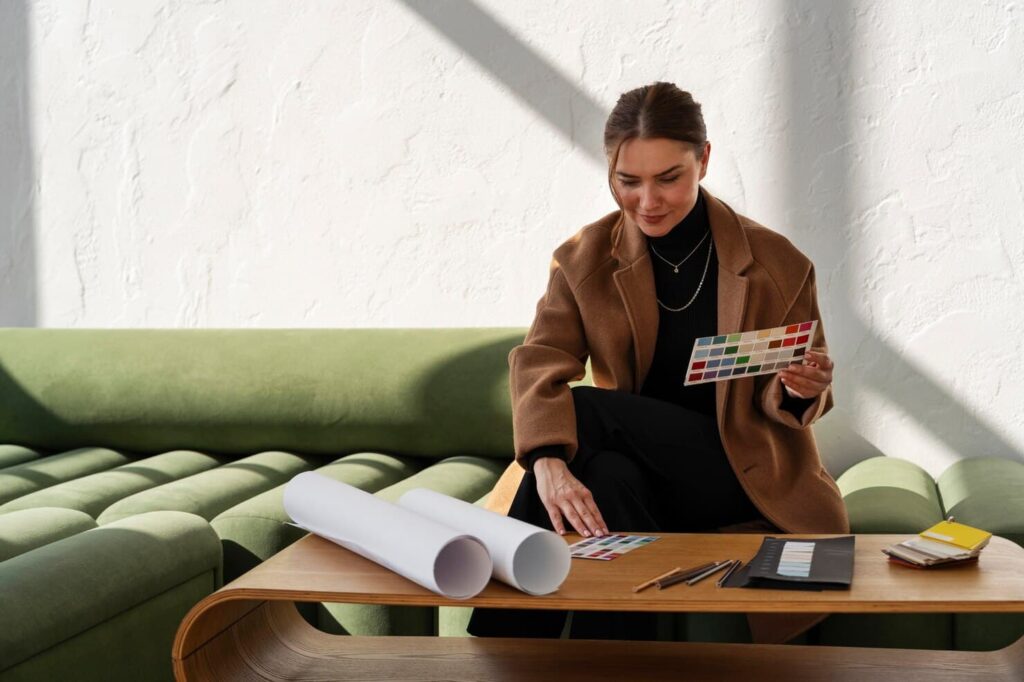
The classic catch-22 for new designers is needing a portfolio to get clients, but needing clients to build a portfolio. The solution is to proactively create your own Signature Project. This is a single, meticulously executed and documented project that showcases the full range of your skills, even if it’s for a hypothetical client, a friend, or a room in your own home. Don’t just redecorate; treat it as a professional commission from start to finish. This approach demonstrates your process, your professionalism, and your ability to deliver a complete vision.
This project is your ultimate business card. Go deep, not wide. One stunning, well-documented project is infinitely more powerful than a dozen blurry photos of minor updates. Invest in professional photography or learn the skills yourself—presentation is everything. Your Signature Project proves you can handle a real-world scenario and gives a potential client a tangible example of your work, immediately building trust and dissolving their hesitation.
- Professional “Before & After” Photos: Capture the transformation from multiple angles.
- The Original Design Brief: Write out the client’s “problem” and your proposed solution.
- Mood Boards & Material Samples: Showcase your planning process with fabric swatches, paint chips, and furniture selections.
- A Detailed Budget Breakdown: Prove you can manage finances and allocate resources effectively, even if the money is your own.
- A Testimonial: If you designed the space for a friend or family member, get a detailed quote about their experience working with you.
Cultivate Your Local Ecosystem
While a strong online presence is crucial, your first client is very likely to come from your local community. Instead of aimlessly “networking,” think of it as cultivating your local ecosystem. Build genuine relationships with professionals in adjacent industries who are already interacting with your target clients. Introduce yourself to local real estate agents who work with new homeowners looking to personalize their space. Connect with contractors and painters who are often asked for design recommendations. Visit local furniture boutiques, fabric stores, and artisan workshops. Show genuine interest in their craft, and explain your design philosophy. These individuals are not your competition; they are your potential partners. By becoming a familiar and trusted resource within this ecosystem, you place yourself directly in the path of organic referrals.
Craft an Irresistible ‘First Client’ Offer
To overcome a client’s initial hesitation, you need to lower the barrier to entry. This doesn’t mean working for free, but it does mean crafting an introductory offer that is clear, valuable, and low-risk. New designers often make the mistake of offering a vague hourly rate, which can be intimidating for a client who doesn’t know what to expect. Instead, package your services. Create a fixed-fee “Room Refresh” or “E-Design Consultation” package. Offer a “Designer for a Day” service where you spend a few hours with the client rearranging furniture, selecting paint colors, and creating a shopping list. This product-based approach makes your services tangible and gives the client a clear understanding of the deliverables and the cost. It’s an easy “yes” that gets your foot in the door and serves as the perfect stepping stone to a larger, full-service project down the line.